How to Teach Self-Advocacy to Neurodivergent Teens Before College
How to teach self-advocacy to neurodivergent teens for college.
Transitioning from high school to college is often a major cliff for neurodivergent students, moving from structured K-12 support to navigating complex campus systems independently. By intentionally building self-advocacy skills at home through low-stakes practice and universal design, kinship caregivers can equip their teens to successfully request accommodations and thrive in higher education.
Key Takeaways
- The post-high school transition creates an abrupt drop in automated legal protections like IEPs and 504 plans.
- College environments require managing multiple learning management systems, emails, and portals simultaneously.
- Self-advocacy can be practiced early by having teens speak directly to teachers or co-write emails.
- Universal design concepts, such as visual study aids and shared kitchen table workspaces, benefit everyone.
- Emotional resilience and peer study groups are vital foundational tools for handling early collegiate failures.
Understanding the Post-High School Support Cliff
For years, grandparents and kinship caregivers fight tirelessly to protect neurodivergent children within the K-12 school system. IEP meetings, constant emails to teachers, and vigilant tracking of school portals become a daily way of life. However, research from the Annie E. Casey Foundation and education advocates highlights a stark reality: approximately three months after high school graduation, this robust safety net completely vanishes. Students step onto college campuses with multiple learning management systems, zero automated accommodations, and the heavy burden of self-identifying on day one.
This sudden shift leaves many young adults overwhelmed. According to higher education expert Dr. Tara Williams, founder and CEO of Innovative Collegiate Consultants, students often struggle because they want to blend in and avoid the perceived stigma of being different. Having relied on caregivers to manage their executive functioning throughout childhood, they suddenly face a maze of rigid, neurotypical systems without the tools to speak up for their specific needs.
Practical Steps to Build Self-Advocacy Skills Early
Waiting until freshman orientation to introduce self-advocacy is a recipe for burnout. Instead, families can gently introduce independence through low-stakes scenarios during middle and high school. Shifting the dynamic from parental control to collaborative guidance prepares teens for the self-identification required on college campuses.
Low-Stakes Communication Practice
Instead of parents always handling conflicts or scheduling adjustments with teachers, involve the student directly. For example, if a family vacation requires makeup work, have the student talk to the teacher or co-write the email together. This teaches them that asking for what they need is a normal, necessary part of academic life rather than a sign of weakness.
Implementing Universal Design Principles
Universal design is not just for physical spaces like wheelchair ramps; it can transform the home environment to support neurodivergent executive functioning. Dr. Williams explains that tools designed for specific accessibility needs—like a jar opener—ultimately benefit everyone. At home, this might look like sending two announcements for family tasks, writing schedules clearly on a board, or returning to family study habits around the kitchen table. Sitting together to work or "body double" provides subtle peer mirroring that makes tackling difficult tasks less isolating.
Choosing the Right College Environment
When looking at higher education options, families must look beyond the standard campus brochure or social life appeal. Neurodivergent students need intentional environments with proven support infrastructures. Consideration should be given to whether a college offers dedicated bridge programs, smaller class sizes, or manageable campus layouts that do not exacerbate executive dysfunction.
Furthermore, recognizing the emotional toll on caregivers is essential. Many kinship caregivers may share neurodivergent traits themselves, leading to internalized guilt or anxiety when watching a teen struggle. Acknowledging these emotional roadblocks allows families to approach the transition with empathy, patience, and a shared understanding that setbacks are a normal part of growth.
Conclusion and Next Steps
Preparing neurodivergent students for higher education requires an intentional shift from absolute protection to strategic coaching. By fostering self-advocacy at the kitchen table, families can bridge the gap between high school safety nets and college independence. To dive deeper into this topic and hear more expert insights, be sure to Listen to the full episode. Join our community of kinship caregivers and explore our resources to help lead your family with confidence and resilience.
Frequently Asked Questions
When should I start teaching my neurodivergent teen self-advocacy skills?
You can begin as early as middle school by allowing them to handle minor communication tasks, such as speaking with teachers or co-writing emails regarding school accommodations.
What is universal design and how does it help neurodivergent students?
Universal design involves creating environments or systems that accommodate specific needs while benefiting everyone. At home, this includes visual schedules, dual reminders, and shared study spaces that reduce cognitive overload.
Why do neurodivergent students often resist self-identifying in college?
Many students want to blend in and avoid feeling different after spending their entire K-12 careers with specialized support. Admitting they need accommodations can feel daunting without prior practice.
How can study groups improve college retention for neurodivergent learners?
Forming study groups helps combat isolation, encourages collaborative problem-solving, and naturally builds vital self-advocacy skills as students learn to articulate what they do and do not understand.
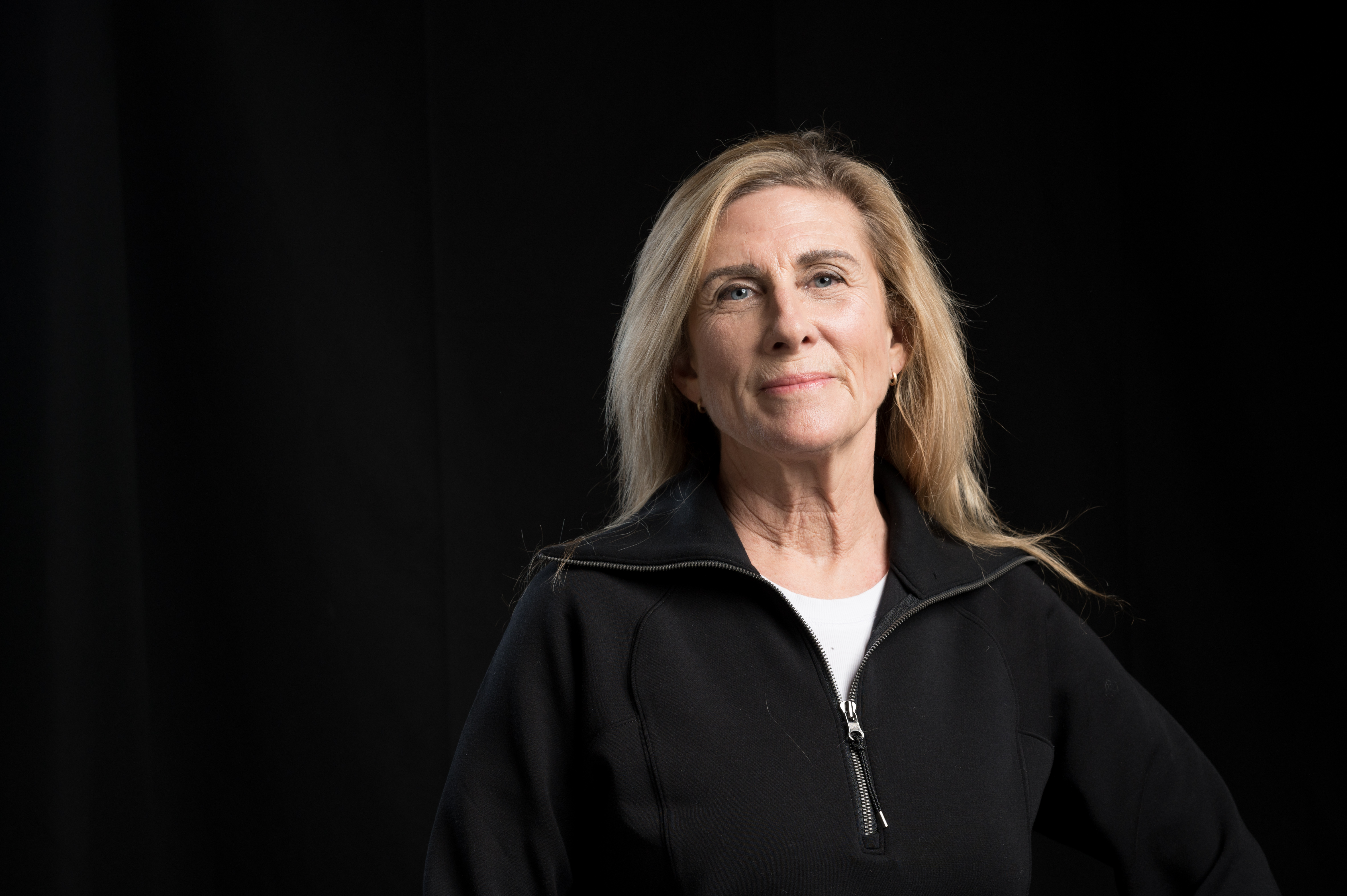
CEO/Host/Kinship Care Expert
Host - Grandparents Raising Grandchildren: Nurturing Through Adversity podcast.
Laura Brazan/ Kinship Care Expert- is the founder of The 2.7 Million Project and the voice of the Invisible CEO. After trading her own "planned retirement" for the high-stakes mission of kinship care, she now empowers grandparents to reclaim their identity as the chief executives of their family’s future. Laura provides the tactical frameworks and "Executive Soul" required to lead the next generation with resilience, intentionality, and a clear vision.