Ditching Caregiver Guilt & Protecting Your Nervous System
When survival demands 100% of your adrenaline, grandparents raising grandchildren burnout becomes an inescapable reality, leaving dedicated kin caregivers feeling physically, mentally, and emotionally bankrupt. Carrying secondary trauma while navigating outdated child welfare and school systems often forces caregivers to run on emergency fuel just to keep their families afloat.
In Episode 131 of Grandparents Raising Grandchildren: Nurturing Through Adversity, host Laura sits down with Felicia Brown—a Licensed Professional Counselor (LPC), emotional regulation expert, and former educator who adopted three children with complex PTSD. Together, they explore how caregivers can stop falling into the self-sacrifice trap, establish realistic daily success metrics, and protect their peace of mind.
The Invisible Weight of Caregiver Overfunctioning
Across the United States, informal and formal kinship care serves as the primary safety net for children unable to remain with their biological parents. According to data from the
While taking in grandchildren preserves family connections, the child welfare system and public schools often exploit a caregiver's willingness to burn out. Missing public policies and underfunded budgets routinely count on relative caregivers to make extraordinary sacrifices without adequate structural support.
       ┌─────────────────────────────────────────────────────────┐
       │                 The Systemic Burnout Loop                │
       └─────────────────────────────────────────────────────────┘
                                    │
                                    ▼
       ┌─────────────────────────────────────────────────────────┐
       │ Systemic Deficits (Missing Policies & Unfunded Budgets)  │
       └─────────────────────────────────────────────────────────┘
                                    │
                                    ▼
       ┌─────────────────────────────────────────────────────────┐
       │ Caregiver Self-Sacrifice & Emotional Dysregulation      │
       └─────────────────────────────────────────────────────────┘
                                    │
                                    ▼
       ┌─────────────────────────────────────────────────────────┐
       │ Increased Secondary Trauma & Relational Strain          │
       └─────────────────────────────────────────────────────────┘
"System failure does not mean personal failure. Pushing yourself to physical collapse won't fix a broken infrastructure—it will only bankrupt your home's most vital resource: your own nervous system."
— Laura, Podcast Host
Why Co-Regulation Starts with the Caregiver
Children who have experienced trauma view the world through a lens conditioned by chronic stress. When caregivers run on empty, co-regulation becomes nearly impossible.
Felicia Brown highlights that an dysregulated adult cannot regulate a dysregulated child. Prioritizing self-care and emotional balance isn't a secondary luxury—it is the primary foundation of trauma-informed parenting.
The Hidden Truth: Loving vs. Liking Your Kids
Caregivers frequently grapple with silent guilt when feeling overwhelmed by complex trauma behaviors. Felicia points out that caregivers often confuse loving a child with liking their behavior in high-stress moments:
-
Moral Pressure: Society praises relative caregivers as "saviors," making it taboo to admit when parenting feels overwhelming or unrewarding.
-
Clinical Reality: Expressing frustration or feeling stretched beyond capacity is a sign of intense stress and system fatigue, not a moral failure.
-
Alternative Involvement: Full-time caretaking isn't the only way to support a child. Respite care, weekend visits, or extended family networks can offer safety while preserving caregiver health.
Setting a Daily "Good Enough" Metric
To break free from overachievement and constant self-criticism, caregivers must audit their expectations and redefine success day by day.
-
Determine Your Daily Capacity: Before starting the day, set a clear metric for what constitutes a "good enough" day. On low-energy days, simply keeping everyone safe is a complete success.
-
Incorporate Dopamine Boosts: Schedule micro-moments of joy—whether listening to a favorite podcast, gardening, or enjoying a quiet cup of coffee—to give your brain positive reinforcement.
-
Honor Body Signals: If unexpected challenges arise, give yourself permission to erase items off your to-do list. Adjusting goals based on capacity builds long-term resilience.
Reimagining Kinship Care Advocacy & Support
If structural child welfare policies were built around genuine family stability rather than case-closure speed, every non-parental caregiver would receive targeted support within their first 30 days.
┌─────────────────────────────────────────────────────────────────┐
│                 Ideal Kinship Care Support Model                │
├──────────────────────────────┬──────────────────────────────────┤
│ Single Point-of-Contact      │ Direct advocate to navigate      │
│ Case Navigator               │ legal, financial, and Medicaid   │
│                              │ systems.                         │
├──────────────────────────────┼──────────────────────────────────┤
│ Caregiver Clinical Support   │ Weekly trauma-informed therapy   │
│                              │ focused on secondary trauma and  │
│                              │ regulation.                      │
├──────────────────────────────┼──────────────────────────────────┤
│ Child Trauma Therapy         │ Dedicated clinician providing    │
│                              │ specialized PTSD treatment for   │
│                              │ the child.                       │
└──────────────────────────────┴──────────────────────────────────┘
Caregivers seeking legal and financial aid can consult their state's child welfare portals or review localized resources at
Key Takeaways for Grandparents Raising Grandchildren
-
Acknowledge Secondary Trauma: Chronic stress alters your nervous system response; recognizing its impact is the first step toward healing.
-
Define Success Small: Celebrate micro-wins rather than waiting for systemic resolution.
-
Build a Support Network: Tap into local community resources, non-profits, and extended family members to prevent isolation.
-
Protect Your Sanctuary: Remember that keeping children safe and loved is enough, even on days when nothing else gets done.
About the Author
Laura is the creator and host of Grandparents Raising Grandchildren: Nurturing Through Adversity. Drawing from her lived experience navigating the complex child welfare and Medicaid systems as a kinship caregiver, she provides a compassionate voice, advocacy, and practical tools for the millions of relative caregivers nurturing children through adversity.
Listen to Episode 131
Tune in to the full episode with Felicia Brown to explore clinical insights on emotional regulation, secondary trauma, and surviving kinship care without losing your peace of mind.
-
Listen on Spotify | Listen on Apple Podcasts | Watch on YouTube
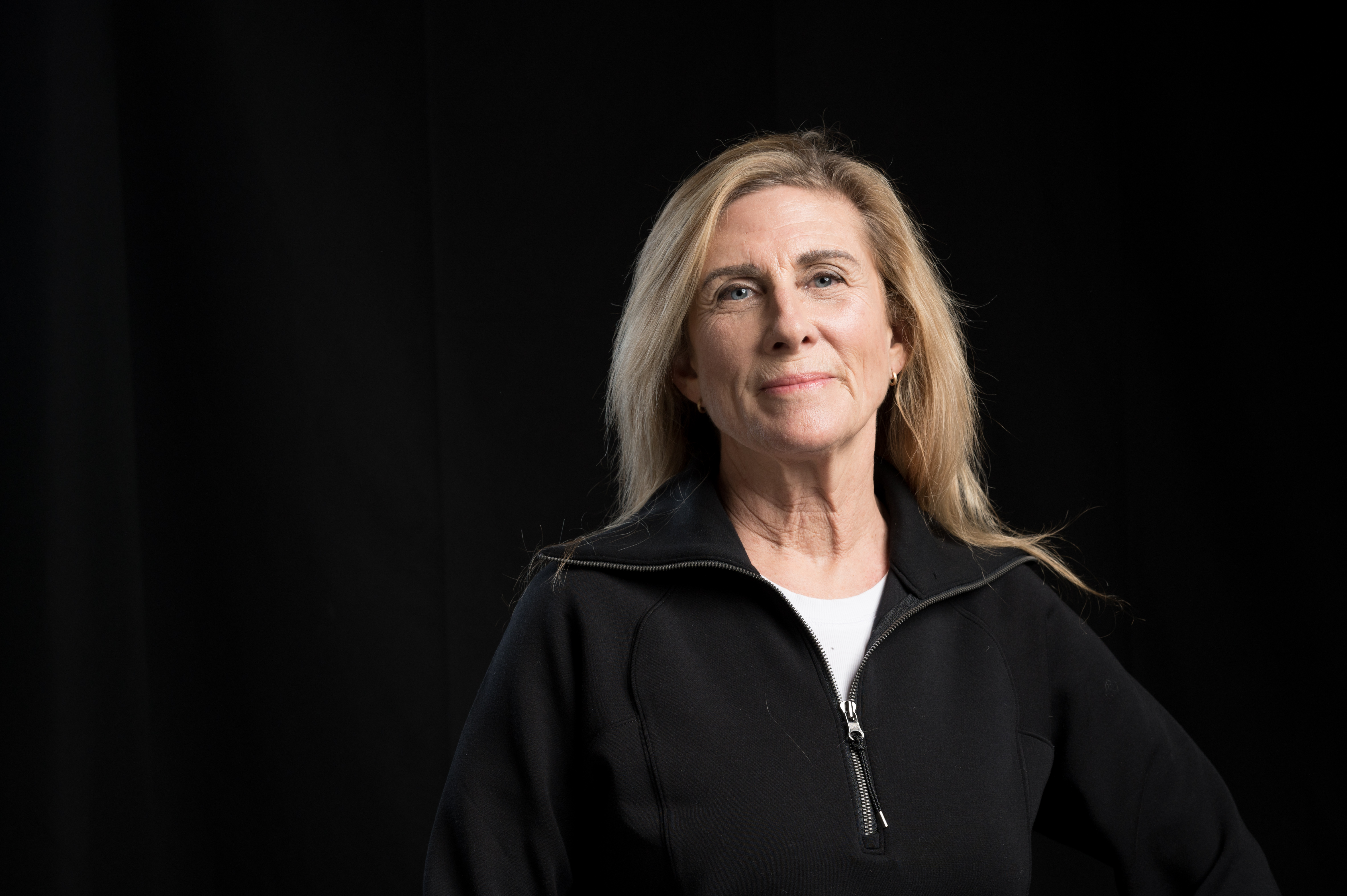
CEO/Host/Kinship Care Expert
Host - Grandparents Raising Grandchildren: Nurturing Through Adversity podcast.
Laura Brazan/ Kinship Care Expert- is the founder of The 2.7 Million Project and the voice of the Invisible CEO. After trading her own "planned retirement" for the high-stakes mission of kinship care, she now empowers grandparents to reclaim their identity as the chief executives of their family’s future. Laura provides the tactical frameworks and "Executive Soul" required to lead the next generation with resilience, intentionality, and a clear vision.