Reclaiming the Hero’s Journey: The Power of the Scribe in Kinship Care | Ep. 125
I sat at my kitchen table this morning, staring at a folder of school reports and case notes. My grandchildren didn’t just come to me with a suitcase of clothes; they arrived with a “backpack of labels.” Traumatized. Behind. Behaviorally challenged. Dysregulated.
As the Invisible CEO of this mission, my first instinct is to manage those labels. I look at the legal paperwork and the visitation schedules, and I try to "fix" the wreckage of other people’s choices. But after speaking with Kate Markland, I realized I’ve been acting as the director of a story I didn’t write.
Kate was mocked in court and told she had only one hour a week on FaceTime with her son, Gabriel. She could have spent that hour mourning her loss of control, but instead, she asked a radical question: “Do you want to be the hero of your own story?”
When children are in survival mode, the brain’s speech center (Broca’s area) often goes quiet. The trauma they’ve experienced creates a biological "silencing."
If we only focus on their "behavior," we are just managing the symptoms of that silence. But when we act as a Scribe—writing down their words exactly as they say them—we act as an external processor. We move them from the fear-based limbic system into the creative prefrontal cortex.
The Verbal Handshake
One of the most powerful tactical moves Kate shared is the Verbal Handshake. In the boardroom, we clarify intent to avoid costly mistakes. In the kinship home, we clarify to build safety.
Before you correct a child’s logic or discipline their outburst, try a verbal handshake: “What I’m hearing is that you feel like a sea monster that no one understands. Did I get that right?” This small executive move validates their reality and tells them that their voice has weight.
Reclaiming the Hero
In Kate’s StoryQuest™ methodology, children create "sidekicks" and defeat monsters. Why? Because it’s easier to defeat a monster on paper than it is to face the "monster" of a court order or an absent parent.
By facilitating their story, you are helping them self-determine their attributes. If they want to be a knight, or a Pegasus, or a "Shark Boy," they are practicing being brave. They are stripping away the "case file" labels and replacing them with hero traits.
[🎧 LISTEN TO EPISODE #125: Kate Markland - The Power of the Scribe]
The Toolbox: Tactical Moves
-
The "Tell Me More" Technique: When your grandchild starts to imagine or explain a feeling, don't interrupt with logic. Just say, "Tell me more." This keeps the creative brain engaged.
-
Win the Day: When the system feels insurmountable, focus on one single task. Cook the dinner. Take the walk. As Kate says, if you check one thing off, you’ve won the day.
-
Google the "Dirty Laundry": If you feel silenced by social services, do your own research. Google the "Public Harms Reports" already available. Knowing the system's documented failings restores your confidence as an advocate.
Remember: The "Nanny State" may try to impose an identity on your grandchild, but you are the one holding the pen.
Keep nurturing, keep leading, and I’ll see you in the next boardroom.
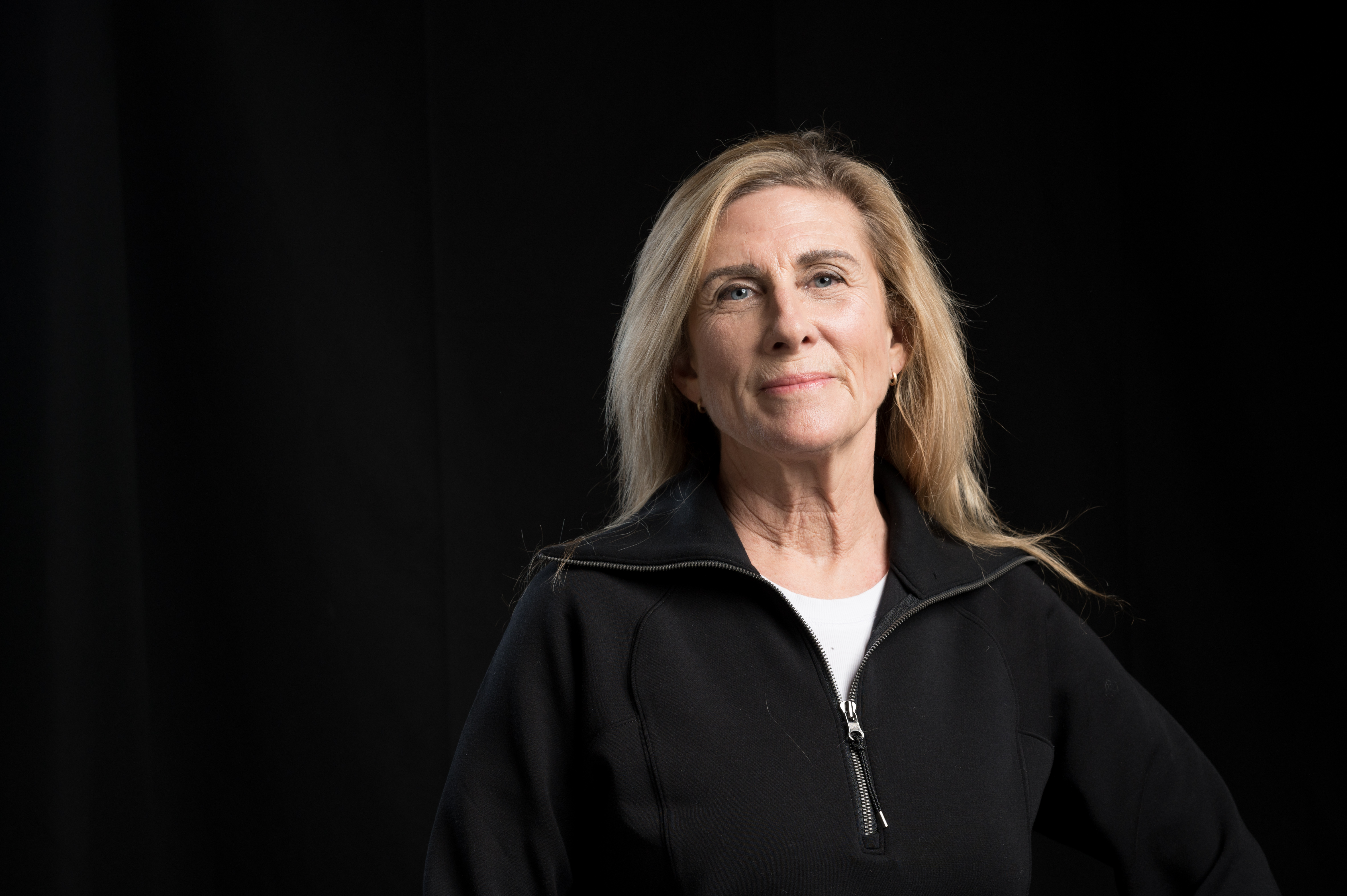
CEO/Host/Kinship Care Expert
Host - Grandparents Raising Grandchildren: Nurturing Through Adversity podcast.
Laura Brazan/ Kinship Care Expert- is the founder of The 2.7 Million Project and the voice of the Invisible CEO. After trading her own "planned retirement" for the high-stakes mission of kinship care, she now empowers grandparents to reclaim their identity as the chief executives of their family’s future. Laura provides the tactical frameworks and "Executive Soul" required to lead the next generation with resilience, intentionality, and a clear vision.