From Newsroom to NICU: Keith Lowhorne’s Fight Against a Broken Child Welfare System
Welcome back, listeners and readers, to another deep dive into the stories that challenge our perspectives and demand our attention. If you caught our recent podcast episode, you know we sat down with a man whose life pivoted on a dime—transforming from a high-powered, multi-million-dollar news director into a frontline warrior for kinship care. His name is Keith Lowhorne, and his story is nothing short of harrowing, inspiring, and maddening all at once.
When we think about the child welfare system, most of us picture dramatic television tropes: social workers swooping in to save the day, foster parents opening their hearts to strangers, and courts making swift, righteous decisions in the best interest of the child. But as Keith discovered the hard way, the reality on the ground is a labyrinth of bureaucratic suspicion, red tape, and systemic neglect. Today, we are expanding on that conversation. We are unpacking the journey from the sterile lights of a neonatal intensive care unit to the steps of the state legislature, looking closely at how one man turned personal trauma into a crusade for systemic reform.
The Cliff Dive: From Multi-Million-Dollar Newsrooms to the NICU
To understand Keith Lowhorne’s fight, you first have to understand where he started. For years, Keith was a news director, living a fast-paced, high-stakes life. He was a professional storyteller, a man accustomed to managing massive budgets, orchestrating teams, and keeping his finger firmly on the pulse of community crises. He understood power, media, and institutions. But nothing in his decades in the newsroom could have prepared him for the day he stood in a hospital NICU looking at a tiny, fragile human being who shared his DNA and urgently needed a safe harbor.
Life can change in a heartbeat. One moment, you are planning your career trajectory, and the next, you are staring at an incubator, realizing that a member of your family is entering the world addicted to substances, completely dependent on the mercy of a broken medical and social services apparatus. Keith’s transition into kinship care was not a gentle slope; it was a sheer cliff dive. He went from reporting on societal failures to swimming directly in the middle of one.
In our podcast interview, Keith described the surreal nature of that transition. The newsroom teaches you to observe, analyze, and report. The NICU teaches you that observation is no longer enough; you have to act. But when you step up to take custody of a vulnerable relative—stepping into the shoes that biological parents, for various heartbreaking reasons, cannot fill—you quickly realize that society is not necessarily cheering you on. Instead of receiving a welcome wagon, Keith and families like his are met with an institutional eyebrow raised in deep, pervasive suspicion.
Guilty Until Proven Innocent: Navigating the Labyrinth of Kinship Care
You would think that when a grandparent or close relative steps forward to rescue a child from the foster care system, the state would roll out the red carpet. After all, kinship care is universally acknowledged by child welfare experts to be the gold standard. Children placed with relatives suffer less trauma, maintain a stronger sense of identity, and experience better long-term developmental outcomes than those placed with strangers.
Yet, as Keith Lowhorne discovered, the reality of entering the kinship care system feels less like receiving support and more like walking into a pre-trial interrogation. The operational philosophy of the child welfare bureaucracy seems to be built on a presumption of guilt rather than innocence.
Keith walked us through the barrage of background checks, intrusive home inspections, and endless financial disclosures. While accountability is undeniably necessary when placing a child, the current system weaponizes compliance. Grandparents and relatives are treated with systemic suspicion, as if they are somehow responsible for the crisis that brought the child into care, or worse, as if they pose a latent threat themselves. The emotional toll of this process is staggering. You are grieving the crisis that fractured your family, you are exhausted from sleepless nights in the NICU, and simultaneously, you are jumping through flaming hoops just to prove to a caseworker that you love the child enough to keep them safe.
The system, Keith realized, is not designed to empower kinship caregivers; it is designed to manage them. And in many cases, it actively discourages them through sheer administrative exhaustion.
The Nightmare of the 'Drug Hotel': When Bureaucracy Endangers Children
If the administrative hurdles were the only obstacle, Keith’s story would merely be a tale of frustrating red tape. But the dysfunction goes much deeper, touching upon scenes of outright danger that defy belief. During our conversation, Keith shared details of navigating a housing and placement crisis that sounded like something out of an investigative journalism piece—except it was his real life.
At one point, the Kafkaesque nature of the system nearly placed a vulnerable infant into environments that endangered their safety. Keith recounted the harrowing realities of trying to secure stable, safe living arrangements while dealing with agency decisions that seemed completely disconnected from common sense. We are talking about situations where bureaucratic inertia threatens to funnel children into dangerous spaces—what Keith aptly terms the 'drug hotel' pipeline—while qualified, loving relatives are put through months of delays over trivial paperwork.
This is where Keith’s newsroom background became an unexpected asset. He knew how to dig, how to document, and how to refuse to take 'no' for an answer from bureaucrats who were comfortable hiding behind policy manuals. But what about the grandparents who don't have a background in investigative media? What about the elderly relative living on a fixed income who doesn't know how to demand accountability from a caseworker who stops returning phone calls? For them, the system isn't just frustrating; it's terrifyingly predatory.
Building the Village: From Kitchen Table Support Groups to Grassroots Infrastructure
Realizing he wasn't alone was both a comfort and a shock to Keith. As he connected with other grandparents and relatives thrust into unexpected caregiving roles, he saw a massive, silent army of people suffering in the shadows. These were seniors raising infants, depleting their retirement savings, navigating special education needs, and fighting the state—all without a handbook, a safety net, or a community.
True to his nature as a community builder and organizer, Keith didn't just commiserate; he started organizing. What began as informal conversations around kitchen tables quickly snowballed into structured support groups and, eventually, a robust grassroots infrastructure.
Keith understood that isolation is the greatest weapon of a broken bureaucracy. When people are isolated, they feel powerless. They internalize their struggles, believing that their inability to navigate the system is a personal failure rather than a systemic design flaw. By bringing these caregivers together, Keith helped them realize that their individual frustrations were actually shared systemic injustices. They shared strategies, offered emotional shoulder-crying, and began to form a collective voice. They built the village that the state failed to provide.
Chasing Accountability: The Fight for the Kinship Bill of Rights and Opioid Settlement Funds
Support groups and kitchen table meetings are vital for survival, but survival is not enough. Keith Lowhorne knew that to effect real change, the fight had to move from the living room to the legislative halls. This realization launched his advocacy work, pushing for concrete, systemic legislative reforms.
At the forefront of this legislative battle is the push for a Kinship Bill of Rights. For too long, kinship caregivers have had all the responsibilities of foster parents with a fraction of the financial support, legal rights, and training. A Kinship Bill of Rights seeks to codify equity: ensuring that grandparents and relatives receive immediate financial stipends comparable to traditional foster care, guaranteed access to legal representation, and trauma-informed support services from day one.
Furthermore, Keith has been a fierce advocate regarding the misuse and redirection of opioid settlement funds. With the opioid crisis acting as the primary engine driving children into kinship care, billions of dollars have flowed into state coffers through legal settlements with pharmaceutical companies and distributors. Yet, a shockingly small percentage of these life-saving funds are making it down to the grassroots organizations and kinship caregivers who are on the front lines, bearing the financial and emotional brunt of the epidemic.
Keith’s advocacy is sharp, data-driven, and relentless. He is demanding transparency: Where is the money going? Why are kinship families expected to absorb the financial shockwaves of a public health crisis without resource allocation? These are the questions that make bureaucrats squirm, and they are the questions Keith refuses to stop asking.
From Survival to Leadership: Embracing the Role of the 'Invisible CEO'
As our podcast episode drew to a close, we reflected on the profound identity shift that Keith has undergone. He started as a high-profile news director, stepped down into the shadows of a hospital NICU, fought through the labyrinth of the child welfare system, and emerged not just as a grandfather raising a child, but as an institutional leader.
Keith describes his current position as that of the 'invisible CEO.' It is a title born of humility and hard-earned wisdom. Being a kinship caregiver and grassroots advocate often means working behind the scenes, doing the unglamorous, exhausting labor that rarely makes the evening news—the exact kind of news he used to direct. It means managing a household of a child with specialized needs, balancing advocacy calls with pediatrician appointments, and pouring every ounce of energy into a fight that often feels Sisyphean.
Yet, the impact is undeniable. Because Keith Lowhorne refused to accept the status quo, because he took his trauma and forged it into a sword of accountability, policies are shifting. Conversations are happening in statehouses that wouldn't be happening otherwise. Grandparents who felt utterly invisible now know that there is a network of fierce advocates standing beside them.
If there is one overarching takeaway from our conversation with Keith, it is this: the systems governing our most vulnerable populations will not reform themselves from the inside out. They require pressure. They require the lived experiences of people who have been through the fire to expose the cracks in the foundation.
To all our listeners and readers who find themselves caught in unexpected caregiving roles, or who feel overwhelmed by the weight of institutional indifference, take heart from Keith’s story. You are not alone, and your voice matters. And to the systems that continue to treat kinship families with suspicion rather than support: take notice. The invisible CEOs are organizing, and they are demanding a seat at the table.
Make sure to check out the full podcast episode if you haven't already, share this post with someone who needs to hear it, and keep fighting the good fight. Until next time!
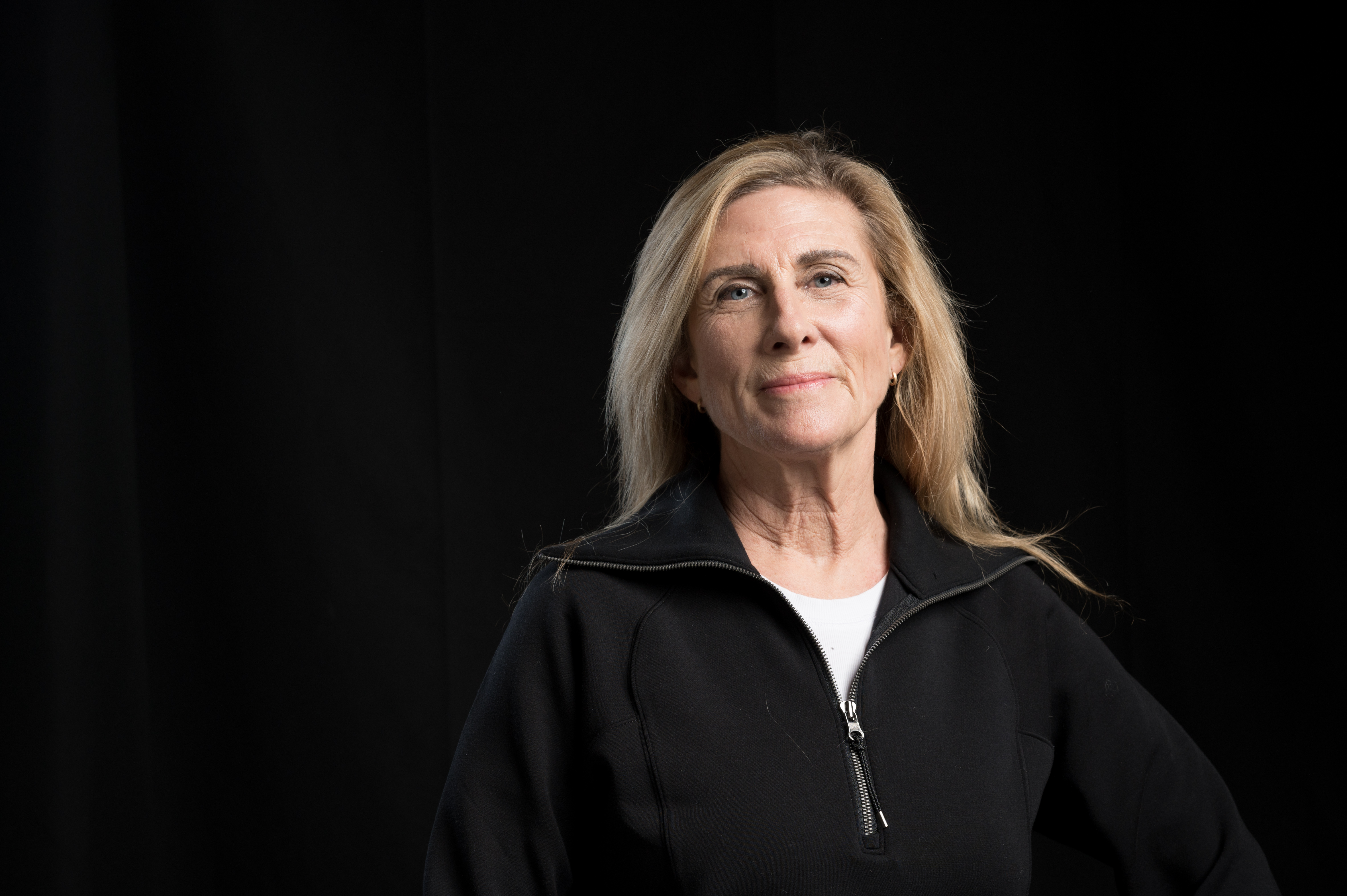
CEO/Host/Kinship Care Expert
Host - Grandparents Raising Grandchildren: Nurturing Through Adversity podcast.
Laura Brazan/ Kinship Care Expert- is the founder of The 2.7 Million Project and the voice of the Invisible CEO. After trading her own "planned retirement" for the high-stakes mission of kinship care, she now empowers grandparents to reclaim their identity as the chief executives of their family’s future. Laura provides the tactical frameworks and "Executive Soul" required to lead the next generation with resilience, intentionality, and a clear vision.