How to Access State Opioid Settlement Funds for Grandparents Raising Grandchildren
Navigating second-time parenting after a family substance abuse crisis brings profound financial strain. Fortunately, millions of dollars in state opioid settlement funds are being disbursed nationwide, and grandfamilies are increasingly fighting to ensure these resources reach the kitchen tables of kinship caregivers rather than getting swallowed up by bureaucracy.
Key Takeaways
- States are receiving millions in opioid settlement money, but grandparents must actively advocate to ensure these funds reach kinship care families.
- Area Agencies on Aging (Triple A's) frequently manage local distribution rounds, providing critical financial stipends for basic child-rearing needs.
- Allowable expenses often include emergency essentials like diapers and formula, as well as academic tutoring, school fees, and essential car maintenance.
- National advocacy, such as the Federal Advisory Council on Grandparents Raising Grandchildren, continues pushing for dedicated kinship allocations nationwide.
Understanding the Opioid Settlement Landscape for Grandfamilies
When legal battles against pharmaceutical manufacturers and distributors concluded, states began receiving substantial financial windfalls through multi-state opioid litigation settlements. According to data tracking child welfare impacts, over 2.7 million children in the United States are currently raised by grandparents, aunts, uncles, and relative caregivers—a massive percentage driven directly by the opioid epidemic. Yet, initial legal frameworks for spending these settlement dollars rarely mentioned kinship care or grandfamilies by name.
Advocates across the country have stepped up to challenge this oversight. When relative caregivers like Keith Lowhorn testified before state commissions—such as the Alabama Opioid Commission—they highlighted a glaring discrepancy: state budgets poured millions into prisons, policing, and rehab facilities while ignoring the grandmothers and grandfathers on the front lines quietly saving taxpayers billions in foster care expenses. Thanks to persistent pressure, a handful of pioneering states carved out pilot funding specifically earmarked for relative and kinship caregiver support.
How Distribution Works on the Ground: The Triple A Network
If your state has allocated a portion of its settlement funds toward family support, the distribution mechanism typically flows through local Area Agencies on Aging, commonly referred to as Triple A offices. These agencies already run various aging and caregiver support programs, making them ideal conduits to get emergency cash into the hands of aging adults who suddenly find themselves changing diapers and soothing substance-exposed infants in their retirement years.
In states operating successful pilot programs, initial test grants of a few hundred thousand dollars quickly proved that the need far outstripped available resources. For instance, initial micro-stipends capped at $500 per child helped families cover immediate emergencies, though advocates emphasize that this figure barely scratches the surface of what is truly required to raise a child who has experienced prenatal drug exposure and early childhood trauma.
What Expenses Are Eligible?
As state policies evolve following advocacy pressure, the allowable uses for settlement-derived family stipends have broadened. While early distributions focused strictly on basic survival items, updated guidelines in progressive states now encompass:
- Emergency essentials including infant formula, specialized clothing, and diapers.
- Critical academic interventions, private tutoring, and specialized learning supplies to address developmental delays.
- Extracurricular activities, sports fees, and music lessons that help traumatized children rebuild self-esteem.
- Essential household and transportation costs, such as fixing broken-down vehicles or paying utility bills to maintain a stable home environment.
Overcoming System Barriers and Advocating Locally
Securing these funds requires breaking through institutional silence. Many grandfamilies fall entirely under the radar because they fear government intervention, worrying that interacting with social services might put their custody status at risk. Furthermore, legal documents associated with opioid settlements are often hundreds of pages long and completely devoid of explicit protections for grandfathers and grandmothers.
Expert insights emphasize that change starts at the kitchen table before reaching the policy boardroom. Caregivers must demand transparency from their local and state representatives regarding how opioid remediation funds are deployed. Asking pointed questions, submitting public comments at state budget hearings, and connecting with local kinship support groups can turn isolated survival into collective bargaining power.
To explore additional advocacy strategies and legal support networks, review state-specific child welfare resources through the Administration for Community Living (ACL) portal.
Taking the Next Step in Your Caregiving Journey
Raising a grandchild impacted by substance exposure is one of life's heaviest and most meaningful callings. You do not have to navigate the complex web of state funding, legal guardianship, and emotional recovery alone. Connecting with a community of peers who understand the hidden realities of kinship care provides both practical guidance and deep emotional validation.
For more insights on fighting back against broken systems and building long-term family resilience, Listen to the full episode today. Subscribe to our show on your favorite podcast platform and join a nationwide community of warrior hearts leading their families with strength and grace.
Frequently Asked Questions
Are all states currently distributing opioid settlement funds directly to grandparents?
No. Distribution varies significantly by state. While states like Alabama have pioneered direct financial assistance models through Area Agencies on Aging, only a small handful of states currently have active programs targeting kinship caregivers.
What types of expenses are typically covered by opioid settlement family support grants?
Depending on your state and local Area Agency on Aging, funds can often cover basic necessities like diapers, formula, clothing, school fees, private tutoring, minor car repairs for transporting children, and select medical or dental costs.
How can I find out if my local area has opioid settlement grants for kinship caregivers?
Your best starting point is contacting your local Area Agency on Aging (Triple A office) or checking state Department of Human Resources and child advocacy portals to inquire about relative caregiver support pilots.
Do I need legal custody to apply for relative support funds?
Requirements vary by jurisdiction, but many community programs and aging agencies recognize grandfamilies, kinship caregivers, and fictive kin who have stepped in to provide an immediate, stable home environment during family crises.
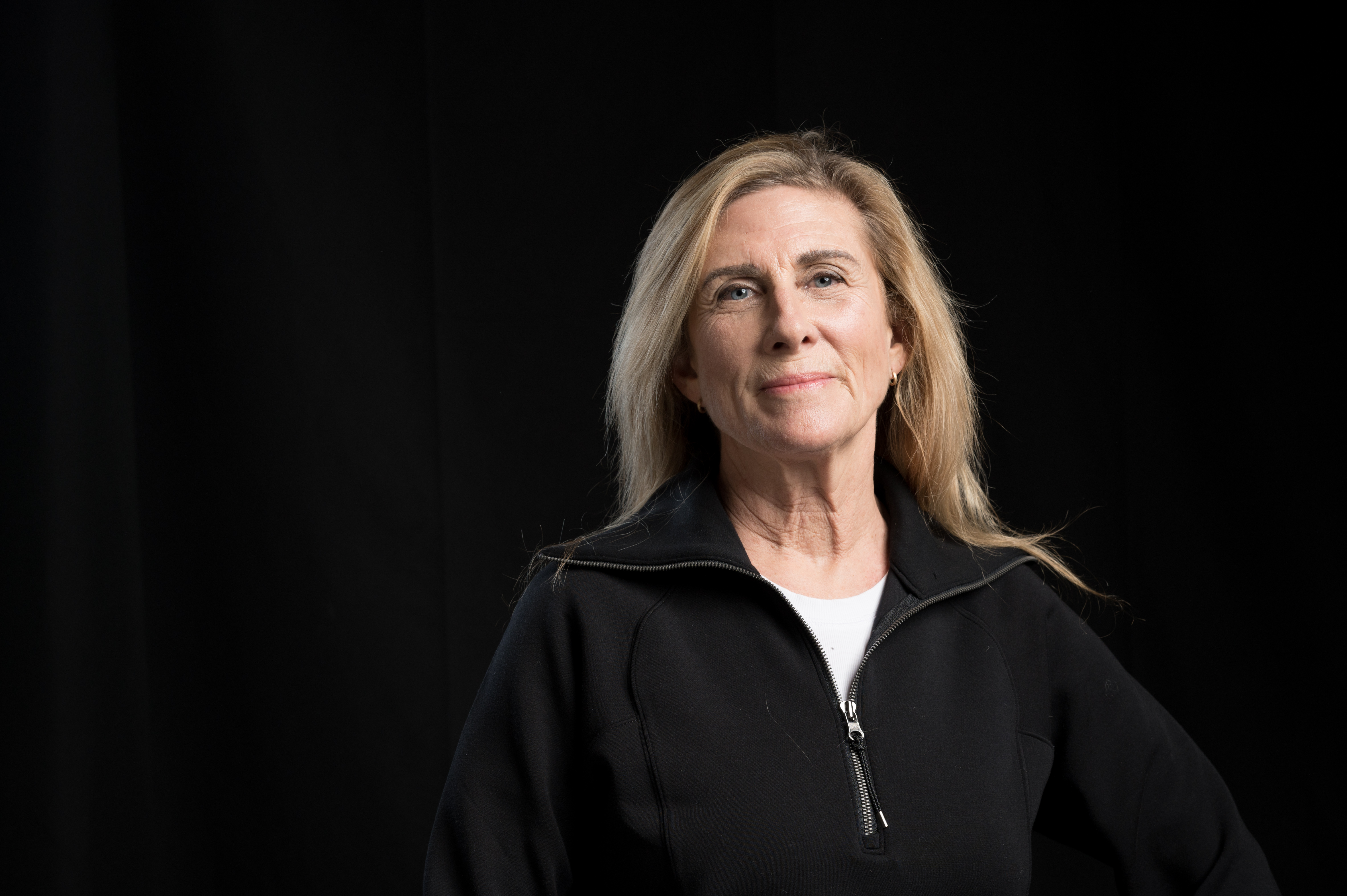
CEO/Host/Kinship Care Expert
Host - Grandparents Raising Grandchildren: Nurturing Through Adversity podcast.
Laura Brazan/ Kinship Care Expert- is the founder of The 2.7 Million Project and the voice of the Invisible CEO. After trading her own "planned retirement" for the high-stakes mission of kinship care, she now empowers grandparents to reclaim their identity as the chief executives of their family’s future. Laura provides the tactical frameworks and "Executive Soul" required to lead the next generation with resilience, intentionality, and a clear vision.