Applying Executive Leadership at Home: Transforming Kinship Crisis into Strategic Alignment
Embracing grandparents raising grandchildren leadership allows relative caregivers to transform high-stress household dynamics into organized, strategic operations when crisis strikes.
When relative caregivers unexpectedly step in to care for traumatized children, their living rooms instantly convert into multi-department operations centers. Between navigating multi-state foster care systems, securing legal guardianship, coordinating medical intake, and managing school portals, kinship caregivers are forced to handle high-stakes logistics under intense emotional pressure.
In Episode 132 of Grandparents Raising Grandchildren: Nurturing Through Adversity, host Laura speaks with Dr. Kristy Smith—author, holder of a Doctorate of Management in Organizational Leadership, MBA in Project Management, SPHR-certified HR executive, and a grandmother who stepped up to raise her two grandsons. Together, they break down how grandparents can apply executive project management frameworks, change management principles, and structured workflows to stabilize homes in crisis without collapsing from caregiver burnout.
From Reactive Firefighting to Strategic Home Operations
Kinship caregiving often begins overnight during a family emergency. Caregivers naturally act out of immediate love and survival instinct, but maintaining long-term stability requires shifting from reactive firefighting to structured organizational management.
According to data from the
       ┌─────────────────────────────────────────────────────────┐
       │                Reactive Survival Mode                   │
       │  High adrenaline, fragmented tasks, uncoordinated       │
       │  paperwork, and rapid emotional burnout.                │
       └─────────────────────────────────────────────────────────┘
                                    │
                                    ▼
       ┌─────────────────────────────────────────────────────────┐
       │               Strategic Executive Alignment             │
       │  Standardized checklists, proactive tracking, clear     │
       │  relational boundaries, and systemic self-care.        │
       └─────────────────────────────────────────────────────────┘
"We often assume that professional expertise belongs exclusively in corporate boardrooms, but the day you step up to raise relative children, you realize the sanctuary of your home requires the exact same high-level strategic alignment."
— Laura, Podcast Host
The 30-Day Licensing Blueprint: A Project Manager's Approach
Navigating foster care licensing across state lines can take many months due to bureaucratic hurdles. When Dr. Smith and her husband were asked to become licensed foster parents for their grandsons across state lines (moving between New Mexico, Colorado, and Alaska), she leveraged her MBA background to streamline the process into 30 days.
Key Executive Strategies for Kinship Navigation:
-
Develop Actionable Checklists: Eliminate mental overload by breaking down state compliance demands (fire safety drills, background checks, medical records) into itemized, daily execution steps.
-
Establish Single Points of Accountability: Maintain consistent, proactive communication with intake social workers across all involved jurisdictions rather than waiting for agency follow-ups.
-
Anticipate Systemic Derailment: Treat child welfare delays as project shifts. Having alternative plans prevents emotional paralysis when court dates or agency timelines move.
Caregivers seeking specific state regulations and licensing resources can reference localized toolkits on the
Managing Change and Relational Boundaries
Transitioning from empty nesters to full-time caregivers demands a total shift in life trajectory—a process Dr. Smith compares to organizational change management.
┌─────────────────────────────────────────────────────────────────┐
│                 Kinship Leadership Framework                    │
├──────────────────────────────┬──────────────────────────────────┤
│ Structural Checklists        │ Standardized workflows for state │
│                              │ licensing and school forms.      │
├──────────────────────────────┼──────────────────────────────────┤
│ Relational Boundaries        │ Firm, love-based limits with     │
│                              │ adult birth parents.             │
├──────────────────────────────┼──────────────────────────────────┤
│ Resource Portability         │ Advocacy for aid that follows    │
│                              │ the child, regardless of label.  │
└──────────────────────────────┴──────────────────────────────────┘
A major hurdle for relative caregivers involves managing relationships with birth parents. Dr. Smith emphasizes that setting firm emotional boundaries with adult children is necessary to protect minor grandchildren:
-
Separating Guilt from Action: Grandparents often face unspoken shame, fearing their adult child's struggles reflect poorly on their past parenting. Recognizing that adult choices do not define caregiver worth is essential for healing.
-
Focusing on the Child's Best Interest: Establishing strict safety guidelines or legal boundaries with birth parents isn't a lack of love; it is an act of protection for vulnerable children who cannot protect themselves.
-
Applying Change Management: Acknowledge the stages of grief associated with letting go of planned retirement years to embrace the reality at hand.
Policy Reform: Resources Must Follow the Child
Under current child welfare policies, financial assistance, therapeutic coverage, and legal aid often depend heavily on arbitrary titles—such as informal kinship caregiver versus licensed foster parent or adoptive parent.
Dr. Smith advocates for a federal policy shift where state and federal funding directly attaches to the child's demonstrated trauma history and ongoing needs rather than their legal status:
-
Universal Kinship Checklists: Creating a standardized federal onboarding toolkit for new relative caregivers to reduce administrative confusion.
-
Caregiver Therapeutic Support: Integrating mandatory, covered mental health support for relative caregivers into state child welfare budgets.
-
Permanent Aid Portability: Ensuring medical and therapeutic support remains intact after adoption or guardianship finalization until the child reaches adulthood.
Key Takeaways for Kinship Caregivers
-
Adopt a CEO Mindset: Use structured organization and clear checklists to manage legal, educational, and medical paperwork efficiently.
-
Enforce Love-Based Boundaries: Protect your household's stability by maintaining clear boundaries with adult children while prioritizing the grandchildren's safety.
-
Seek Centralized Resources: Demand clear, accessible guidance from local agencies to avoid spending critical energy chasing missing paperwork.
-
Embrace the Journey: Recognize that applying leadership skills at home creates an unshakable foundation for trauma-impacted children.
About the Author
Laura is the creator and host of Grandparents Raising Grandchildren: Nurturing Through Adversity. As a kinship caregiver navigating complex child welfare systems, she offers executive advocacy, practical tools, and support for relative caregivers leading their families through adversity.
Listen to Episode 132
Tune in to the full episode with Dr. Kristy Smith to learn how applying organizational leadership, change management principles, and project management tools can bring calm and order to your home operations.
-
Listen on Spotify | Listen on Apple Podcasts | Watch on YouTube
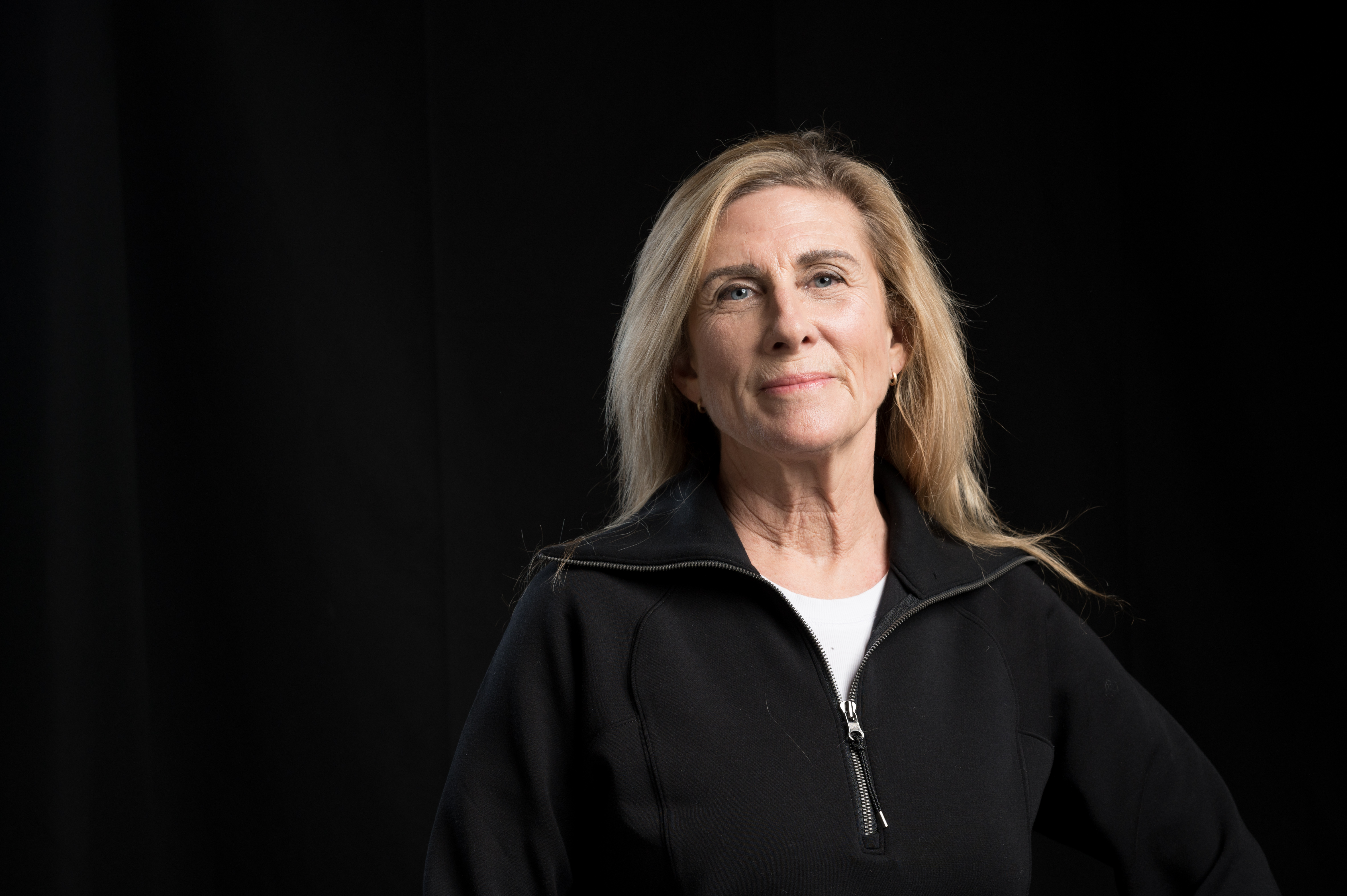
CEO/Host/Kinship Care Expert
Host - Grandparents Raising Grandchildren: Nurturing Through Adversity podcast.
Laura Brazan/ Kinship Care Expert- is the founder of The 2.7 Million Project and the voice of the Invisible CEO. After trading her own "planned retirement" for the high-stakes mission of kinship care, she now empowers grandparents to reclaim their identity as the chief executives of their family’s future. Laura provides the tactical frameworks and "Executive Soul" required to lead the next generation with resilience, intentionality, and a clear vision.