Moving the Diagnosis to Second Place: How to Reclaim Your Grandchild’s Identity Beyond Medical Labels
This blog post is about kinship care diagnosis. When raising a grandchild with complex behavioral or mental health needs, it is easy to let diagnostic acronyms consume daily family life. This guide explores actionable strategies for kinship caregivers to separate a child's medical labels from their true identity, using creative tools like vision boards to restore joy and emotional connection in the home.
Key Takeaways
- According to national child welfare tracking, millions of kinship caregivers manage co-occurring behavioral and mental health challenges without adequate systemic support.
- Moving a medical diagnosis to "second place" helps re-center the human being behind the paperwork.
- Creative tools like hallway vision boards can successfully redirect a household's focus away from crisis management and toward shared positive memories.
- Shifting from reactive communication to intentional "I statements" improves emotional regulation for both caregiver and child.
- Fostering resilience in a traumatized child requires treating self-care and coping skills as daily muscles that must be practiced.
The Weight of Diagnostic Labels in Kinship Care
As a kinship caregiver, walking into your home can sometimes feel less like entering a family space and more like stepping into a psychiatric triage unit. Stacks of Individualized Education Program (IEP) evaluations, thick diagnostic packets, and rows of medication bottles clutter the kitchen counter while your coffee grows cold. When children enter our care carrying the heavy wreckage of trauma, neglect, or abandonment, the medical and educational systems are often quick to hand them an alphabet soup of labels: ADHD, severe dyslexia, bipolar disorder, or anxiety. While these formal assessments are sometimes necessary for securing accommodations, they often overshadow the actual child standing right in front of you.
Over time, families risk defining every behavior, mood swing, and milestone through the lens of a clinical disorder. The child stops being recognized as a unique, growing individual and instead becomes a collection of symptoms to be managed. This constant state of clinical vigilance breeds isolation, leaving grandparents and relative caregivers exhausted and trapped in pure survival mode. Breaking free from this cycle requires a deliberate mental shift—one that prioritizes the human soul over paperwork and protocols.
Strategies for Shifting Your Household Focus
Reframing your daily environment does not mean ignoring real medical or psychological conditions; rather, it means refusing to let those conditions dictate every waking moment of your family's existence. Drawing from expert insights shared in our community, caregivers can implement intentional changes to humanize their living spaces and communication loops.
Creating the Hallway Vision Board
One remarkably effective tool for shifting household dynamics is the creation of a visual distraction board. When children struggling with trauma or depression isolate themselves in a cycle of sleeping, eating, and retreating from the world, clinical reminders only amplify their distress. Instead, try taking a corkboard or poster board and placing it in a high-traffic area like a hallway. Fill it not with rules or medical charts, but with old photographs, concert tickets, quirky school memories, and pictures of your grandchild experiencing pure joy. This visual anchor serves as a daily reminder that life exists outside of a doctor's office, gently nudging the medical diagnosis down into second place where it belongs.
Mastering Constructive Communication
Communication under chronic stress easily turns punitive. Caregivers often find themselves trapped in reactive loops of saying "no, no, no" or issuing constant warnings. Transforming this dynamic requires treating communication as a muscle. By replacing accusatory "you" statements with vulnerable "I" statements—such as expressing concern over the tomorrow-day consequences of a poor choice rather than barking a command—you create a safer conversational space. When children feel less cornered by preachy reprimands, they are far more likely to listen and engage.
Navigating the System with a Warrior’s Heart
Kinship caregivers often absorb massive legal and financial burdens without recognition, acting as the invisible CEOs of households that keep children out of state custody. According to data from the Annie E. Casey Foundation, millions of children thrive in kinship care precisely because relatives step into the gap. However, navigating insurance clearinghouses, medical histories, and specialized education plans can prematurely label a child in ways that impact their future—such as difficulties securing independent life insurance later in adulthood. Being a strategic caregiver means protecting your child's legal and financial blind spots while fiercely guarding their emotional right to an unburdened childhood.
As guest expert Liz Colvin notes in her caregiving journey, acknowledging that you cannot instantly solve every systemic problem is the first step toward building sustainable resilience. By integrating small household shifts, leaning on a trusted village, and committing to personal growth, grandparents can transform their homes from reactive crisis units into incubators of hope.
Conclusion
Reclaiming your family's emotional well-being is an ongoing journey that requires both fierce advocacy and tender compassion. You do not have to carry the heavy burden of kinship care in isolation, and your grandchildren are so much more than the sum of their diagnostic codes. To dive deeper into these practical tools and hear more inspiring stories from the front lines of relative caregiving, Listen to the full episode today. Join our community of 2.7 million warrior hearts, share this episode with a fellow caregiver, and take the next step in transforming your household resilience.
Frequently Asked Questions
How can I stop my grandchild's medical diagnosis from dominating our daily routine?
You can shift the focus by deliberately moving the diagnosis to "second place" in your household priorities. Use visual anchors like hallway photo boards featuring happy memories, hobbies, and achievements to remind both yourself and the child that their identity is rooted in who they are, not what is written on a medical chart.
What are the 'Three C's' of caregiving resilience?
The Three C's framework focuses on Change (willingness to adapt your own habits and lifestyle to support the child), Constructive Criticism (using positive affirmations and "I statements" instead of punitive language), and Coping Skills (treating emotional regulation and stress management as daily practices).
Why is it important to consider life insurance for a child with a mental health diagnosis?
Once a child receives certain medical or mental health diagnoses, that information often enters clearinghouses utilized by insurance companies, making it extremely difficult or expensive for them to secure independent life insurance coverage as adults. Purchasing a policy early, prior to formal diagnostic labeling, can protect their long-term financial security.
Where can kinship caregivers find community support for mental health challenges?
Organizations like NAMI (National Alliance on Mental Illness) offer free family-to-family educational classes and support groups nationwide. Additionally, digital communities like The 2.7 Million Project provide specialized peer support circles tailored specifically to the unique needs of grandparents raising grandchildren.
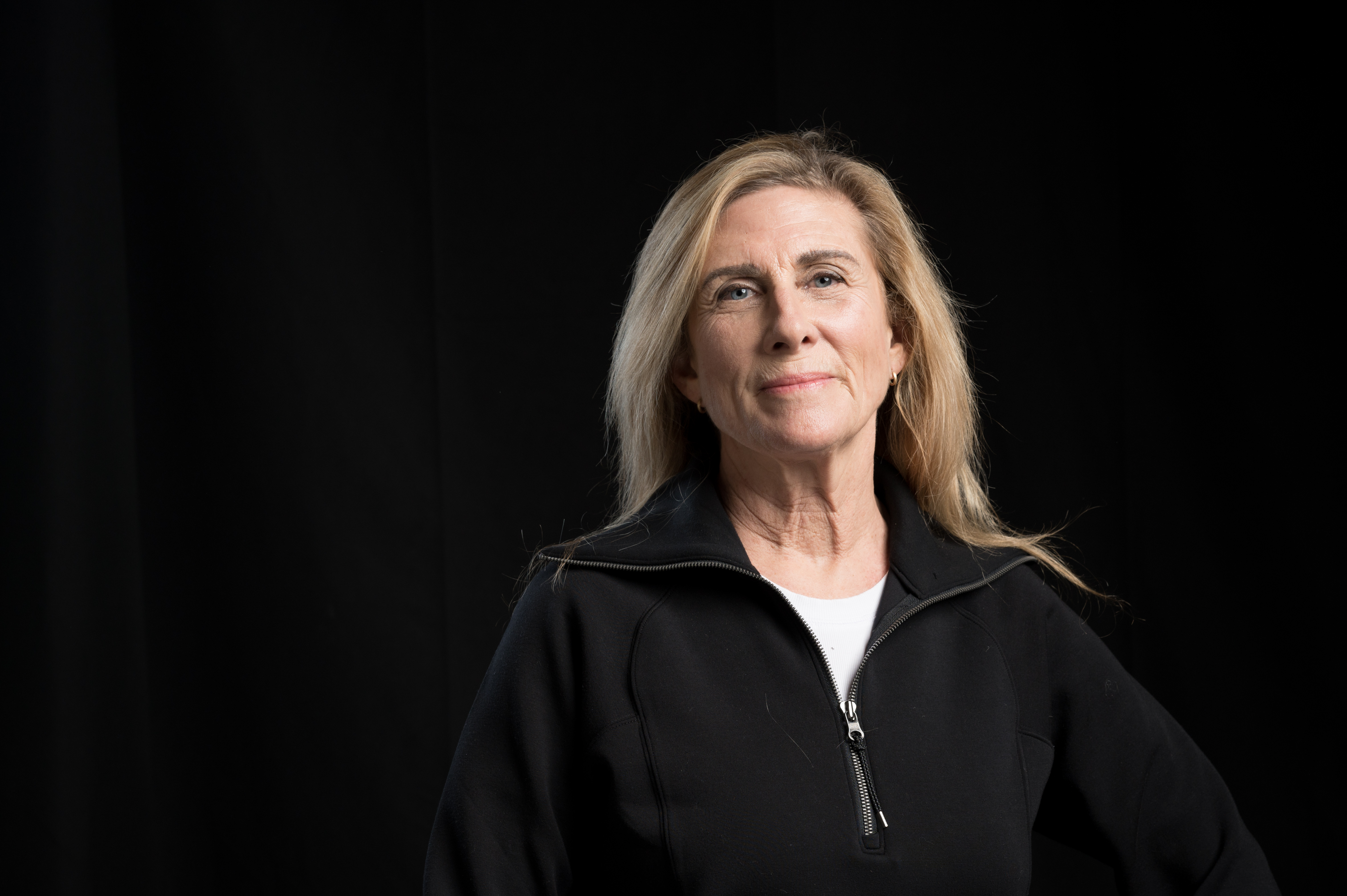
CEO/Host/Kinship Care Expert
Host - Grandparents Raising Grandchildren: Nurturing Through Adversity podcast.
Laura Brazan/ Kinship Care Expert- is the founder of The 2.7 Million Project and the voice of the Invisible CEO. After trading her own "planned retirement" for the high-stakes mission of kinship care, she now empowers grandparents to reclaim their identity as the chief executives of their family’s future. Laura provides the tactical frameworks and "Executive Soul" required to lead the next generation with resilience, intentionality, and a clear vision.