Redefining Care: When Love Means Changing Yourself and Putting Your Child's Diagnosis Second
Welcome back to the podcast and our companion blog space, where we dive deeper into the raw, unfiltered realities of modern caregiving. If you are tuning in today, chances are you are standing in the middle of a room that feels a little too loud, a little too chaotic, and entirely too heavy. Navigating a child's mental health diagnosis can trap families in relentless cycles of crisis and isolation. It is easy to lose yourself entirely when you are fighting daily fires, managing medical appointments, fielding calls from schools, and trying to hold your household together with sheer willpower.
In this guide, we are going to explore a radical shift in perspective. We are going to talk about how kinship caregivers and parents can move beyond crippling stigma, how we can embrace profound personal growth using a transformative three-step framework, and why the most powerful thing we can do for our children is to put the human being ahead of the medical label. Grab a cup of coffee, settle in, and let us unpack what it truly means to redefine care.
Stepping Out of the Fog: From Crisis Management to Steady Ground
When you first receive a diagnosis for your child—whether it is anxiety, depression, ADHD, autism, or something more complex—the immediate aftermath often feels like walking through a thick, disorienting fog. For many caregivers, especially kinship caregivers who may have stepped into the parenting role unexpectedly, the journey begins in absolute crisis management. You are not living; you are reacting. Every single day is an emergency drill.
In this phase of crisis, adrenaline becomes your primary fuel source. You learn how to de-escalate meltdowns, manage medication schedules, and advocate fiercely against systems that often feel like they are working against you. But crisis management is not a sustainable lifestyle. Over time, living in a constant state of hyper-vigilance erodes your physical health, strains your relationships, and leaves you utterly depleted. Stepping out of the fog requires a conscious, terrifying decision: you have to pause.
Pausing does not mean abandoning your child or ignoring their needs. Rather, it means recognizing that you cannot pour from an empty cup, and you certainly cannot guide someone else through a storm if your own ship is actively taking on water. Moving from steady ground to crisis management means shifting your mindset from reactive defense to proactive building. It requires accepting that the road ahead is a marathon, not a sprint. By acknowledging where you are without judgment, you create the necessary space to breathe, recalibrate, and look for the tools that will genuinely support your family in the long run.
The Power of the Village: Finding Community and Education Through NAMI
One of the most insidious traps of navigating a child's mental health journey is the profound sense of isolation it creates. Friends and family members who do not live this reality often mean well, but their well-intentioned advice—such as "just try a stricter bedtime routine" or "kids will be kids"—can feel dismissive and painful. You begin to retreat inward, pulling away from social gatherings because explaining your child's behavior feels too exhausting. This is where the myth of the hyper-independent caregiver falls apart. We were never meant to do this alone.
Finding your village is not just a nice idea; it is a vital survival mechanism. Organizations like the National Alliance on Mental Illness (NAMI) offer lifelines that can completely alter your trajectory. Through programs like NAMI Family-to-Family, caregivers gain access to free, evidence-based education that demystifies mental health conditions. More importantly, these programs place you in a room—or a virtual circle—with people who immediately understand why you are crying over spilled milk or celebrating a tiny, seemingly insignificant victory.
Community provides validation, and validation is the antidote to shame. When you hear another parent share a story that mirrors your own chaotic Tuesday afternoon, the heavy armor of isolation begins to crack. You realize you are not failing; you are simply navigating uncharted territory alongside other brave travelers. Leaning on a village gives you access to hard-earned wisdom, shared resources, and a chorus of voices reminding you that you are doing a remarkable job, even on the days when it feels like everything is falling apart.
The Three Cs for Caregivers: Change, Constructive Criticism, and Coping Skills
When we talk about redefining care, we have to start with the person holding the flashlight: you. Personal growth as a caregiver is not about becoming a saintly martyr who never loses patience. True growth requires looking inward and applying a framework that challenges our default reactions. Let us break down the Three Cs for caregivers: Change, Constructive Criticism, and Coping Skills.
Change: Looking in the Mirror First
The hardest truth of caregiving is that we cannot change our children into what we want them to be, nor can we instantly fix the broken systems surrounding them. The only variable we have absolute control over is ourselves. Embracing change means being willing to alter your own expectations, communication styles, and triggers. It means asking yourself, "Am I reacting out of my own anxiety, or am I responding to my child's actual needs?" When love means changing yourself, you become a safe, flexible harbor for a child who feels like the rest of the world is a stormy sea.
Constructive Criticism: Letting Go of Parental Guilt
Caregivers are notorious for brutal self-flagellation. Every outburst, every missed appointment, and every moment of frustration becomes fuel for an internal jury that finds us guilty of failing our children. Constructive criticism requires us to step out of that prosecutor's chair. Instead of beating yourself up, look at your parenting choices objectively. What worked today? What completely backfired? By treating your caregiving journey as a science experiment rather than a moral report card, you can make necessary adjustments without drowning in toxic guilt.
Coping Skills: Building Your Personal Toolkit
We constantly emphasize coping skills for our children, but what about the adults? Coping skills are not luxuries, and they are certainly not selfish. Whether it is a five-minute breathing exercise in the car before walking into the house, a weekly walk with a friend, or setting firm boundaries around your work and rest, you need tangible tools to regulate your nervous system. When you actively practice healthy coping mechanisms, you model emotional regulation for your child in the most powerful way possible: by example.
Putting the Diagnosis Second: Using Vision Boards and Creativity to Spark Everyday Joy
Medical labels, educational plans, and therapeutic diagnoses are incredibly important tools for getting our children the specific support they need. However, they come with a dangerous side effect: they can easily eclipse the actual human being standing right in front of us. When every conversation revolves around symptoms, behaviors, IEP meetings, and medication adjustments, the diagnosis becomes the loudest voice in the room. It is time to flip the script and put the diagnosis firmly in second place, right behind the person.
Your child is not their anxiety. They are not their depression, their neurodivergence, or their trauma response. They are artists, dreamers, silly jokesters, deeply sensitive souls, and explorers. To remind ourselves and our children of this fundamental truth, we can turn to creative visual tools like vision boards and expressive arts.
Imagine sitting down with your child—away from the clinical language of doctors' offices—and cutting out magazine images, drawing pictures, and pinning up dreams. What do *they* want to experience this year? Do they want to learn how to skateboard, adopt a shelter pet, build a giant Lego city, or travel to the mountains? A vision board shifts the narrative from "What is wrong with you?" to "What are we dreaming of next?"
Creativity sparks everyday joy by shifting our focus from deficit-based thinking to strength-based living. When we engage in art, music, building, or storytelling together, we step outside the clinical framework of caregiving. We get to simply enjoy each other's company. This creative space reminds the child that their worth is not tied to their compliance or their symptom management, but to their inherent creativity, curiosity, and joy.
Breaking the Stigma: Nurturing Resilience and Holistically Supporting Your Child
Breaking the stigma surrounding mental health starts within the four walls of our own homes. For generations, mental health struggles were whispered about in dark rooms, treated as family secrets or personal failings. This legacy of shame weighs heavily on our children, who often internalize their struggles as proof that they are fundamentally "broken." As caregivers, we have the profound privilege and responsibility of dismantling this narrative.
Nurturing resilience does not mean protecting your child from every hardship or shielding them from uncomfortable emotions. True resilience is built when a child learns that emotions—even the terrifying, overwhelming ones—are temporary states, not permanent destinations. It happens when we normalize talking about mental health the same way we talk about physical health. If a child breaks a bone, we do not hide their cast or whisper about it in shame; we sign the cast, support their healing, and provide the physical tools they need to recover. Mental health deserves the exact same transparency and grace.
Holistically supporting your child means looking at the whole ecosystem of their life. It means balancing professional therapeutic interventions with adequate rest, joyful play, good nutrition, spiritual or emotional grounding, and unconditional acceptance. It means advocating for them in school settings while also teaching them how to advocate for themselves as they grow.
As we wrap up today's exploration, I want to leave you with this final thought: redefining care is not about achieving a picture-perfect family life where all the challenges magically disappear. It is about learning to dance in the rain. It is about having the courage to change your own perspective, finding strength in a community that gets it, putting the diagnostic label in its proper place, and celebrating the brilliant, complex human being at the center of it all. You are doing sacred, heavy work, and you do not have to walk this path alone. Keep going, keep growing, and remember to lead with love.
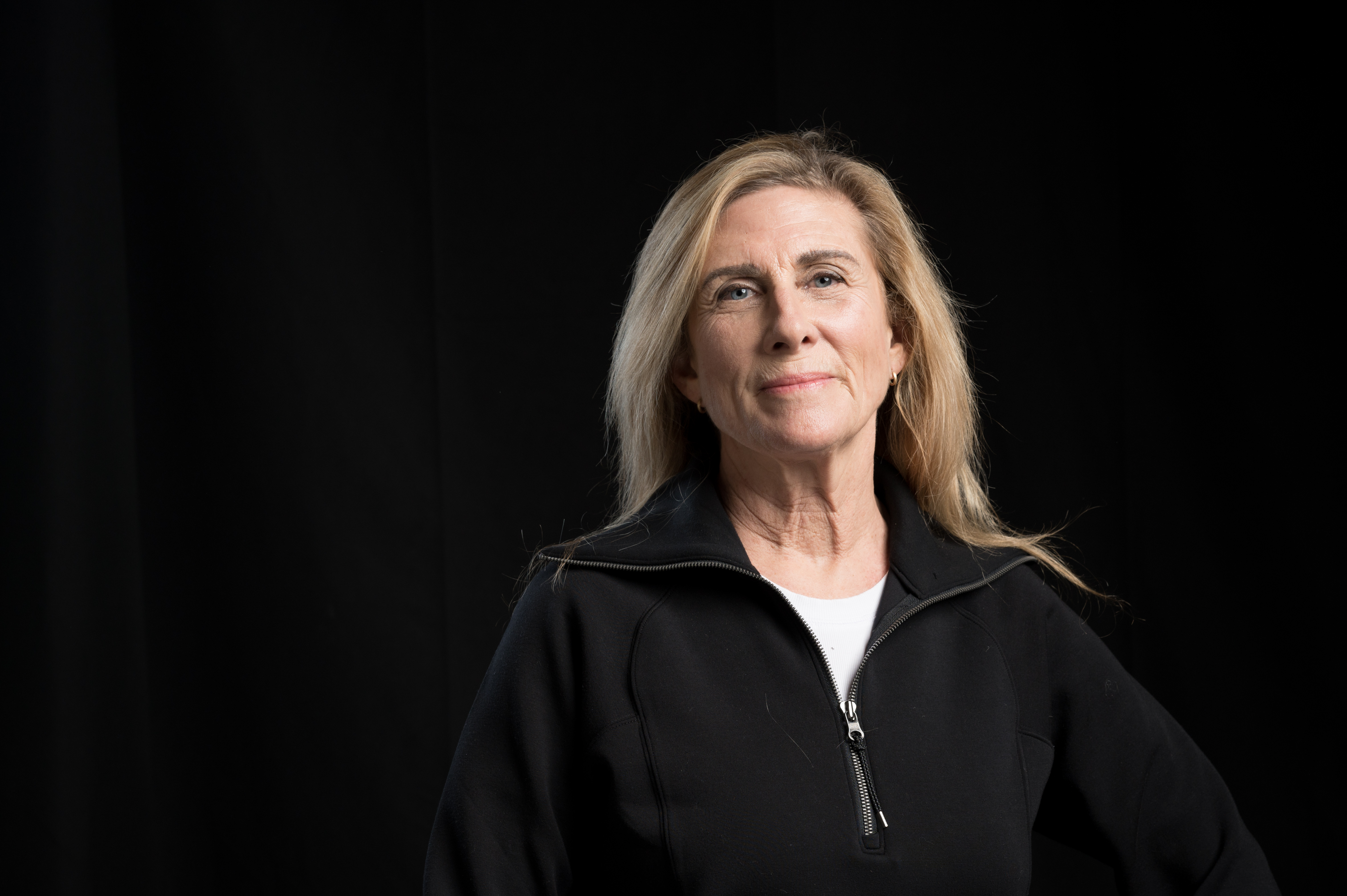
CEO/Host/Kinship Care Expert
Host - Grandparents Raising Grandchildren: Nurturing Through Adversity podcast.
Laura Brazan/ Kinship Care Expert- is the founder of The 2.7 Million Project and the voice of the Invisible CEO. After trading her own "planned retirement" for the high-stakes mission of kinship care, she now empowers grandparents to reclaim their identity as the chief executives of their family’s future. Laura provides the tactical frameworks and "Executive Soul" required to lead the next generation with resilience, intentionality, and a clear vision.