The $10,000 Paywall: Why Fighting for Family Justice Shouldn't Cost a Fortune
Welcome back to the podcast blog. If you tuned in to Episode 139, you already know how heavy today's topic is. We sat down with Ruthie Shofi, an incredible kinship caregiver whose story completely broke my heart and simultaneously lit a fire in my soul. Ruthie is fighting the kind of battle no grandparent, aunt, uncle, or relative caregiver should ever have to face. She is fighting within a system that claims to have the best interests of children at heart, yet routinely erects massive financial barriers that keep loving families apart.
That conversation inspired this post. Today, we are pulling back the curtain on what I call the ten-thousand-dollar paywall. We are going to look closely at the brutal financial and emotional realities of navigating the child welfare system. We will unpack how relative caregivers, people who have already stepped up in moments of crisis, are routinely forced to pay thousands of dollars for basic legal representation simply to have a voice in court. Grab a cup of coffee, settle in, and let us break down why fighting for family justice has become an unaffordable luxury in America.
Introduction: The Brutal Arithmetic of the Courtroom
Imagine your world turning upside down overnight. A child in your family—a grandchild, a niece, a nephew—is facing trauma, neglect, or the sudden loss of their primary environment. Without hesitation, you step up. You clear out the spare room, you buy the extra groceries, you adjust your work schedule, and you wrap your arms around a terrified child. You become their safe space. You become their lifeline. You become a kinship caregiver.
Now, imagine walking into a family court courtroom, believing that your dedication, your love, and your willingness to protect this child will speak for themselves. You assume that the system will welcome you with open arms, grateful that a blood relative is willing to shoulder the immense responsibility of raising a traumatized child.
Then reality hits you like a freight train. You realize quickly that the courtroom is not a place driven purely by compassion or common sense. It is a complex legal arena governed by strict rules, dense jargon, procedures, and institutional players who speak a language you do not understand. And right there, at the entrance of this labyrinth, sits a massive toll booth.
That toll booth demands cash. Thousands of dollars in retainers. Hourly rates that rival corporate law firms. Court fees, filing fees, expert witness costs, and document preparation expenses. This is the brutal arithmetic of the courtroom. If you can pay, you get a seat at the table with effective representation. If you cannot pay, you are left navigating a high-stakes legal battle blindfolded, risking the permanent loss of custody over a child you love more than life itself. It is a paywall, plain and simple, and it is destroying families every single day.
When Love Isn't Enough: The Reality of the Legal Paywall
One of the most dangerous myths perpetuated by the child welfare system is that love conquers all. We love to tell heartwarming stories about dedicated relatives stepping in to save the day, and while those stories are true, they conveniently omit the grueling logistical and financial nightmare that follows.
When you take in a relative child through the foster care or child welfare system, you enter a parallel universe of court hearings, caseworker visits, mandated classes, and psychological evaluations. In this universe, the state, county agencies, and biological parents often have access to appointed attorneys or public defenders. Meanwhile, the relative caregiver, the person actually doing the daily, boots-on-the-ground work of healing a child, is frequently classified as a third-party intervenor or a resource parent with limited legal standing.
What does limited legal standing mean? It means you have no inherent right to a free attorney. If you want a lawyer to advocate for the child's stability in your home, you have to hire private counsel. And private counsel costs money. Real money.
We are not talking about a few hundred dollars. As Ruthie Shofi shared on Episode 139, retaining a family law attorney in these high-conflict cases routinely starts at five to ten thousand dollars just to get through the preliminary stages. If the case goes to trial, costs can easily skyrocket past twenty or thirty thousand dollars. Where is a middle-class or low-income grandparent supposed to pull ten thousand dollars from? Do they empty their retirement accounts? Do they take out second mortgages? Do they max out credit cards, plunging themselves into inescapable debt just to keep a child safe?
This is the cruel irony of the legal paywall. The system demands that caregivers prove they are financially stable and capable of providing a secure environment for a child. Yet, the very process of proving that stability requires caregivers to drain their financial resources, pushing them to the brink of bankruptcy. Love is essential, but in the modern courtroom, love without a hefty bank account is frequently silenced.
The Invisible Labor of Kinship Caregivers
To truly understand the cruelty of this paywall, we have to talk about the invisible, unpaid labor that kinship caregivers perform daily. When children enter the foster care system, licensed non-relative foster parents often receive monthly stipends, specialized training, and direct support from agencies. While the foster care system is far from perfect, there is at least a formal recognition that caring for a traumatized child costs money.
Kinship caregivers, on the other hand, are often thrust into service overnight. They do not get months to prepare their homes or budget for a new dependent. Often, they receive little to no financial assistance, especially in the early stages before formal placements are recognized or subsidies are approved. Many relatives have to cut back their working hours or quit their jobs entirely to manage the dizzying schedule of medical appointments, trauma therapy, specialized education meetings, and mandatory court appearances.
This creates a compounding financial crisis. Caregivers are losing income because they are dedicating every waking hour to the child's recovery and stabilization. At the exact same time, their expenses are skyrocketing. And on top of all of that, they are expected to somehow finance a legal defense team to fight for their right to keep the child in their care.
It is exhausting. It is overwhelming. It is a form of systemic gaslighting where caregivers are told, "Thank you so much for stepping up, but if you want any say in this child's future, you better figure out how to pay a lawyer." The emotional toll of this invisible labor cannot be overstated. Caregivers are battling anxiety, secondary traumatic stress from the child's history, the grief of seeing their family member in crisis, and the constant, crushing terror that a judge might rule against them simply because they could not afford the best legal representation in the room.
Systemic Flaws: Being Treated Like Strangers in Your Own Battle
One of the most maddening aspects of the child welfare system, which Ruthie illuminated so clearly in our podcast conversation, is how relative caregivers are treated during legal proceedings. Despite being the biological family, despite knowing the child since birth, and despite being the primary source of emotional security, caregivers are frequently treated like hostile strangers in their own family's battle.
In many jurisdictions, relative caregivers lack party status. This means they are not automatically recognized as formal parties to the case. They are witnesses, or they are viewed merely as a placement option, like a human storage unit for a child until the state decides what to do next. Can you imagine the profound indignity of sitting in a courtroom while decisions are made about the child sleeping in your spare bedroom, knowing you have no formal right to speak, object, or present evidence unless you pay an attorney to carve out that right for you?
The system operates under a set of bureaucratic assumptions that often prioritize administrative checkboxes over human realities. Caseworkers are overworked, managing caseloads that are dangerously high. Judges are rushed, moving through dockets filled with dozens of families a day. In this rushed, high-pressure environment, having a skilled, assertive attorney is the only way to ensure that a caregiver's voice is actually heard.
Without representation, caregivers struggle to submit crucial evidence, cross-examine expert witnesses, or hold state agencies accountable when they drop the ball. They accept unfavorable settlements or step back entirely out of sheer intimidation and exhaustion. The system relies on this attrition. It relies on the fact that most families will eventually run out of money, energy, and hope. That is not justice. That is an attrition machine disguised as child welfare.
Actionable Steps: Advocating for Your Family Without Breaking the Bank
Knowing how broken the system is can leave you feeling hopeless. But as we always strive to do on this podcast, we are not just here to admire the problem. We want to arm you with strategies, resources, and actionable steps. If you or someone you know is navigating kinship care and facing the daunting prospect of high legal costs, here are some ways to fight back without breaking the bank.
1. Hunt for Pro Bono and Low-Cost Legal Aid Organizations
Do not assume that private attorneys are your only option. There are dedicated legal aid societies, children's law centers, and civil rights organizations that focus specifically on family law and child welfare. While resources are limited and waitlists can be long, it is vital to contact local legal aid clinics immediately. Ask specifically if they handle kinship intervention or relative caregiver rights.
2. Seek Out Specialized Kinship Navigator Programs
Many states and counties now have Kinship Navigator programs funded through federal grants. These programs are designed to help relative caregivers locate resources, financial assistance, support groups, and sometimes legal guidance. They can be a lifeline for cutting through bureaucratic red tape and finding local grants or subsidies you might not know exist.
3. Build a Litigation Fund and Mobilize Community Support
There is no shame in asking for help. We live in an era where crowdfunding platforms like GoFundMe can mobilize community support quickly. When Ruthie and other caregivers share their stories transparently, communities often step up to donate. Do not let pride stop you from protecting a child. Set up a dedicated legal defense fund, reach out to local faith communities, civic organizations, and extended family networks to pool resources.
4. Master the Art of Self-Advocacy and Documentation
If you truly cannot afford an attorney, you must become your own fierce legal advocate. This means documenting everything. Keep a meticulous binder of every phone call, email, medical report, school evaluation, and caseworker visit. Understand the court rules in your jurisdiction, attend every hearing early, and submit written statements or reports directly to the court clerk if permitted. Being organized, articulate, and respectful can sometimes bridge the gap when representation is missing.
5. Lean Into Kinship Support Groups
Isolation is the enemy of justice. Find other kinship caregivers who have walked this exact path. Groups like Generations United and local caregiver circles offer peer support, shared wisdom, and tactical advice on how to navigate the court system. Hearing how someone else beat the odds can give you the courage to keep going.
Conclusion: Joining the Village to Demand Systemic Change
The story of Ruthie Shofi on Episode 139 is a stark reminder that loving a child is not enough in a system built on legal gatekeeping and financial barriers. A ten-thousand-dollar paywall should never stand between a child and the relative who is ready to give them a safe, permanent, loving home. Family justice should be a fundamental right, not an exclusive luxury reserved for those who can afford expensive retainers.
Fixing this broken system requires more than individual heroism from exhausted grandparents and aunts. It requires systemic overhaul. We need policy changes that guarantee legal representation for relative caregivers who step up to adopt or foster. We need legislation that grants kinship caregivers automatic party status in dependency proceedings. We need a child welfare system that views biological family not as an administrative hurdle, but as the primary and most valuable resource a child has.
Until that day arrives, we have to be each other's village. We have to share these stories, support families in crisis, and demand accountability from our lawmakers and courts. If you missed Episode 139, go back and listen to it right now. Share it with a friend, a policymaker, or anyone who needs to wake up to the realities of kinship care. Together, we can tear down the paywall and ensure that every child gets the loving home they deserve, without families having to bankrupt themselves to provide it.
Thank you for reading, thank you for listening, and as always, keep fighting for the kids.
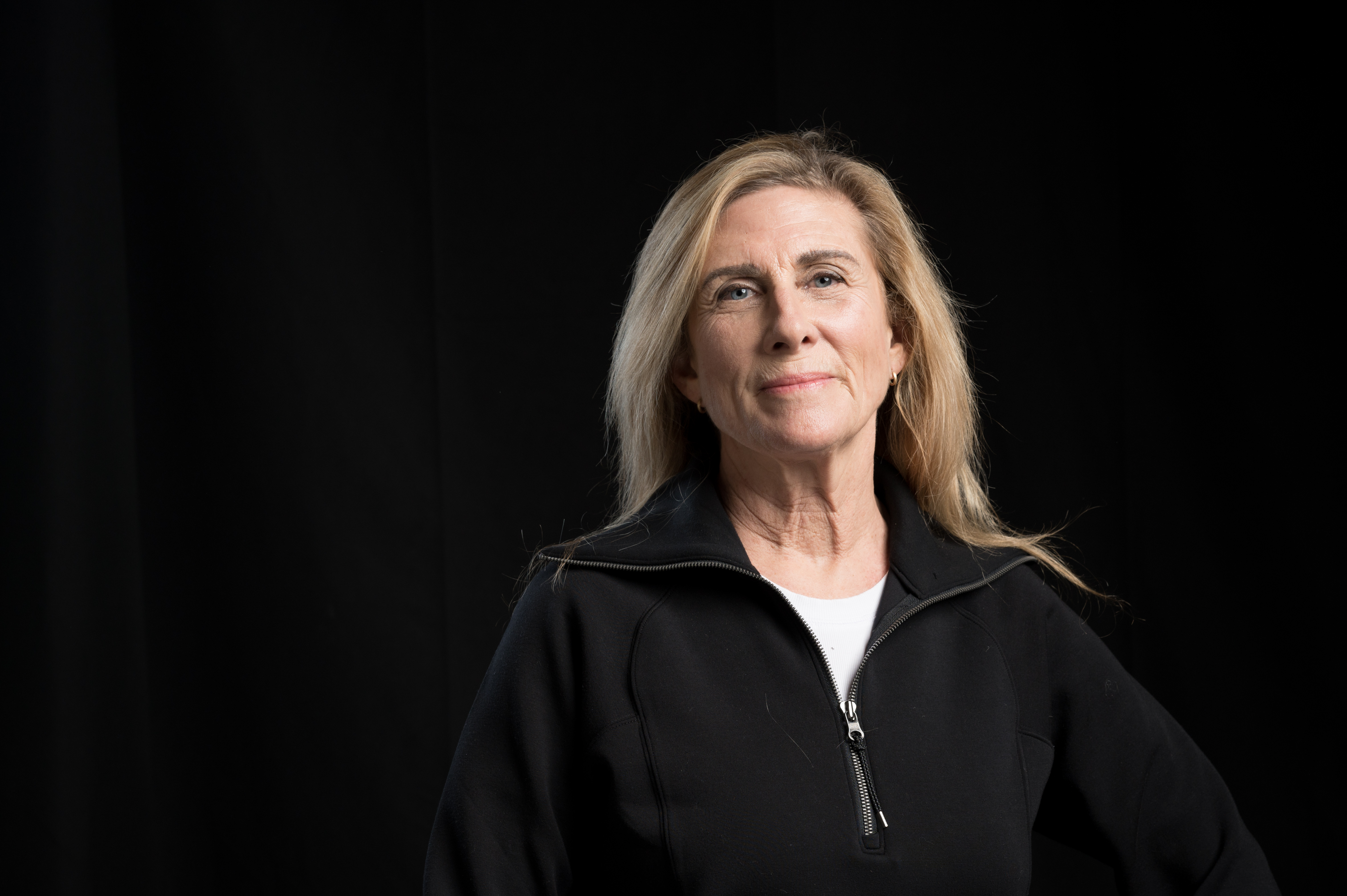
CEO/Host/Kinship Care Expert
Host - Grandparents Raising Grandchildren: Nurturing Through Adversity podcast.
Laura Brazan/ Kinship Care Expert- is the founder of The 2.7 Million Project and the voice of the Invisible CEO. After trading her own "planned retirement" for the high-stakes mission of kinship care, she now empowers grandparents to reclaim their identity as the chief executives of their family’s future. Laura provides the tactical frameworks and "Executive Soul" required to lead the next generation with resilience, intentionality, and a clear vision.