Applying Project Management Checklists to Kinship Care Crises
When relative caregiving begins overnight, the immediate transition often feels like managing a chaotic enterprise with zero notice. By adapting formal project management checklists and operational workflows, kinship caregivers can streamline state-to-state foster requirements, track crucial legal documentation, and prevent severe burnout during the earliest phases of crisis management.
Key Takeaways
- Kinship caregivers can use professional project management frameworks to turn overwhelming foster system requirements into actionable, step-by-step checklists.
- According to data from organizations like the Annie E. Casey Foundation, millions of children thrive when relative placements receive structured, reliable administrative support.
- Establishing clear operational workflows helps reduce the emotional toll of navigating multi-state foster and legal systems.
- Setting strict communication boundaries with biological parents protects the psychological well-being of both the caregiver and the children.
- Journaling and structured writing serve as powerful therapeutic tools for processing secondary trauma and caregiver guilt.
The Operational Reality of Kinship Care
Stepping into a kinship care arrangement is rarely a premeditated choice. For millions of grandparents, aunts, and uncles, the journey begins with a sudden phone call that transforms a quiet living room into an executive operations center overnight. Without warning, caregivers find themselves buried beneath piles of unfamiliar legal forms, coordinating school transfers, and managing delicate family dynamics. In many cases, these households must manage compliance across multiple state lines, dealing with conflicting regulations and bureaucratic hurdles that test even the most resilient individuals.
When professional backgrounds in project management or human resources are brought into the home, the contrast between corporate problem-solving and social welfare navigation becomes glaringly apparent. However, every kinship caregiver can benefit from applying an executive mindset. Instead of viewing tasks as a mountain of isolated crises, breaking down requirements into manageable phases allows caregivers to regain a sense of control over an inherently volatile environment.
Building Your Kinship Management Checklist
One of the most effective strategies for mitigating administrative overwhelm is the creation of a master kinship care checklist. In corporate environments, complex projects are rarely tackled all at once; they are divided into milestones, dependencies, and deliverables. Applying this exact methodology to relative caregiving can dramatically accelerate compliance and reduce stress.
Immediate Triage Phase
During the first seventy-two hours, your focus should be strictly on safety, basic needs, and immediate medical authorizations. Create a dedicated binder or digital folder labeled "Executive Operations" to store emergency contacts, temporary custody paperwork, and initial caseworkers' details. Treat every document as a critical deliverable.
Compliance and Licensing Milestones
If your case involves crossing state lines or dealing with strict foster care licensing mandates—such as those experienced by families moving between New Mexico, Colorado, and Alaska—treat each requirement as a checklist item. As noted by experts in organizational leadership, checking off items step-by-step prevents critical deadlines from slipping through the cracks when social workers are overburdened with massive caseloads.
Protecting the Caregiver from Burnout
The Annie E. Casey Foundation and other child welfare advocates consistently highlight that a child's stability is inextricably linked to the well-being of their primary caregiver. Unfortunately, the systemic expectation that family members will act as free labor often leaves grandparents and relative caregivers isolated and exhausted.
To prevent burnout, caregivers must implement structural boundaries:
- Time-Blocking: Designate specific hours for administrative tasks, legal phone calls, and school coordination so they do not consume your entire day.
- Siloing Roles: Create mental separations between your role as a protective grandparent and your past relationship struggles with the adult child experiencing addiction or crisis.
- Therapeutic Journaling: Dedicate ten minutes daily to raw, unfiltered writing to process grief, guilt, and the complex emotional dichotomy of second-time parenting.
By treating your own physical, emotional, and financial health as a non-negotiable prerequisite rather than an afterthought, you safeguard the longevity of your family's new foundation.
Conclusion and Next Steps
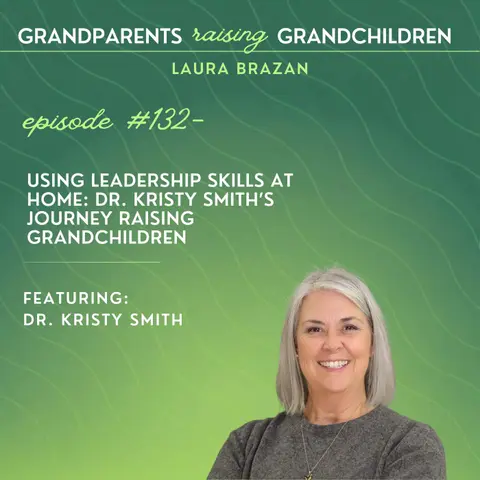
Navigating the complex waters of kinship care requires a warrior's heart and executive-level organization. While the system may often feel unequipped to support the realities of relative caregiving, applying structured frameworks to your daily routine can bring order to the chaos. For more insights on leading your family through adversity, be sure to check out related resources and past discussions. Listen to the full episode to dive deeper into Dr. Kristy Smith's remarkable journey and discover how leadership skills can transform your home environment.
Frequently Asked Questions
How can project management techniques help kinship caregivers?
Project management techniques help by breaking down overwhelming legal, educational, and medical requirements into systematic, trackable checklists. This reduces decision fatigue and keeps critical compliance tasks from falling through the cracks.
Why do kinship caregivers experience high rates of burnout?
Caregivers often face systemic pressures that treat family placements as free labor without providing adequate financial, housing, or mental health resources. Juggling child trauma recovery alongside administrative burdens without institutional support frequently leads to caregiver burnout.
How can grandparents establish healthy boundaries with adult children?
Establishing healthy boundaries involves separating your role as a protective guardian for your grandchildren from your relationship with your adult child. Creating clear limits protects the household stability while acknowledging that boundaries are rooted in love and safety.
What is the best way to handle multi-state foster care requirements?
Handling multi-state requirements effectively requires maintaining active communication with intake and placement caseworkers, documenting every interaction, and keeping all state-specific compliance checklists centralized in a dedicated organizational binder.